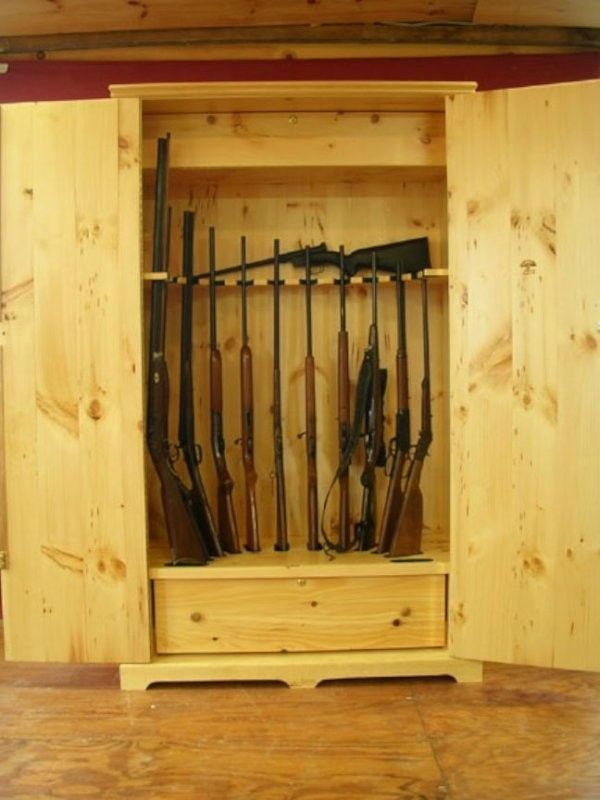
Owning firearms comes with the responsibility of storing them securely and responsibly. A gun cabinet serves as a vital component of safe gun ownership, offering both protection against unauthorized access and an aesthetically pleasing display for your collection. This article provides a comprehensive guide on crafting a wooden gun cabinet, combining secure functionality with a stylish design that complements your home décor.
Planning and Design:
The first step in crafting a secure and stylish gun cabinet is meticulous planning. Consider these factors:
Size and Capacity: Determine the number of firearms you intend to store and choose a cabinet size that accommodates them comfortably. Account for the length of your longest firearm, including any optics or accessories.
Style and Design: Choose a design that complements your home décor and reflects your personal taste. Consider traditional, modern, rustic, or contemporary aesthetics. Research popular styles for inspiration and select appropriate wood species, finishes, and hardware.
Security Features: Prioritize security by incorporating robust locking mechanisms, strong hinges, and durable construction materials. Research different types of locks and their security ratings to ensure optimal protection. Consider adding additional security features like motion sensors, alarms, or reinforced doors.
Budget: Set a realistic budget for the project, factoring in the cost of materials, tools, and any additional features.
Materials and Tools:
Choosing the right materials and tools is crucial for a secure and stylish gun cabinet.
Wood:
Hardwoods: Opt for hardwoods like oak, walnut, maple, or cherry for their durability and aesthetic appeal. These woods offer excellent strength, resistance to warping, and beautiful grain patterns.
Softwoods: Pine or cedar can be used for less demanding applications, but they may require additional reinforcement for security purposes.
Plywood: High-quality plywood can be used for cabinet construction, offering cost-effectiveness and stability.
Hardware:
Hinges: Strong, concealed hinges are essential for a secure cabinet. Choose heavy-duty hinges that are rated for the weight of the door and its contents.
Locks: Select high-quality, multi-point locking mechanisms that are resistant to picking and tampering. Consider electronic locks with keypad entry or biometric scanners for enhanced security.
Drawers and Shelves: Include drawers and shelves for storing ammunition, cleaning supplies, and accessories. Choose sturdy materials and construction techniques to ensure durability.
Tools:
Power Tools: A circular saw, jigsaw, drill, sander, and router will be necessary for precise cutting and shaping.
Hand Tools: Hand saws, chisels, hammers, clamps, and screwdrivers are essential for assembling and finishing the cabinet.
Construction:
1. Framing: Begin by building a sturdy frame using your chosen wood. The frame should be strong enough to support the weight of the cabinet and its contents. Use dado joints or mortise and tenon joints for a secure and visually appealing connection.
2. Cabinet Sides and Back: Cut and attach the cabinet sides and back to the frame using screws or glue. Ensure the sides are perfectly vertical and the back is flush with the frame.
3. Door Construction: Create a solid door using a similar method to the cabinet sides. Consider adding additional reinforcement, such as a plywood core, to the door for enhanced security.
4. Hinges and Lock Installation: Install the hinges on the cabinet sides and door. Ensure they are securely attached and properly aligned. Install the lock on the door and test its functionality.
5. Shelves and Drawers: Create shelves and drawers from your chosen wood. Ensure they fit securely inside the cabinet and are strong enough to hold their contents.
6. Finishing Touches: Sand the cabinet thoroughly to remove any imperfections. Apply your chosen finish, such as stain, paint, or varnish, to enhance the wood's natural beauty and provide a protective layer.
Security Enhancements:
Reinforcements: Consider reinforcing the door with a steel plate or additional layers of plywood to further enhance its resistance to forced entry.
Security Glass: Use tempered or laminated glass for the cabinet's door or windows to prevent shattering and provide additional protection.
Alarm System: Install a motion sensor or vibration-activated alarm system to deter thieves and alert you to any unauthorized access.
Concealed Hardware: Opt for concealed hinges, lock plates, and other hardware to make it more difficult for thieves to identify and target vulnerable points.
Style and Aesthetics:
Wood Selection: Choose wood species that complement your home décor. Oak provides a classic look, while cherry and walnut offer rich, warm tones. Consider exotic woods for a unique and striking aesthetic.
Finish: A variety of finishes can be used to enhance the wood's natural beauty. Stain creates a deeper color and accentuates the wood grain, while paint provides a solid color and can be used for a modern or contemporary look. Varnish provides a protective layer and enhances the natural shine of the wood.
Hardware: Choose hardware that complements the cabinet's design and overall aesthetic. Consider antique brass, nickel, or oil-rubbed bronze finishes for a classic look, or modern stainless steel for a contemporary feel.
Custom Details: Add custom touches to personalize your cabinet. Consider carving decorative elements, inlaying different wood species, or incorporating brass accents.
Conclusion:
Crafting a secure and stylish wooden gun cabinet requires careful planning, quality materials, and meticulous attention to detail. By following this guide, you can create a storage solution that protects your firearms, complies with safety regulations, and complements your home décor. Remember, a well-crafted gun cabinet is an investment in the safety and security of your home and your valuable firearms.


0 comments:
Post a Comment
Note: Only a member of this blog may post a comment.